10 Ways to Protect Children's Teeth Every Day

A child’s first cavity can feel like it appeared overnight. Often, though, it starts with small everyday habits: a rushed bedtime brush, frequent sipping on sweet drinks, or a tiny spot between teeth that is easy to miss. The good news is that there are practical ways to protect children's teeth before a minor concern becomes pain, a missed school day, or a more involved dental visit.
For families across St. Catharines and Niagara, prevention does not need to be complicated. It works best when it becomes part of the normal rhythm of mornings, meals, sports, and bedtime.
Ways to Protect Children's Teeth at Home
1. Start brushing as soon as the first tooth appears
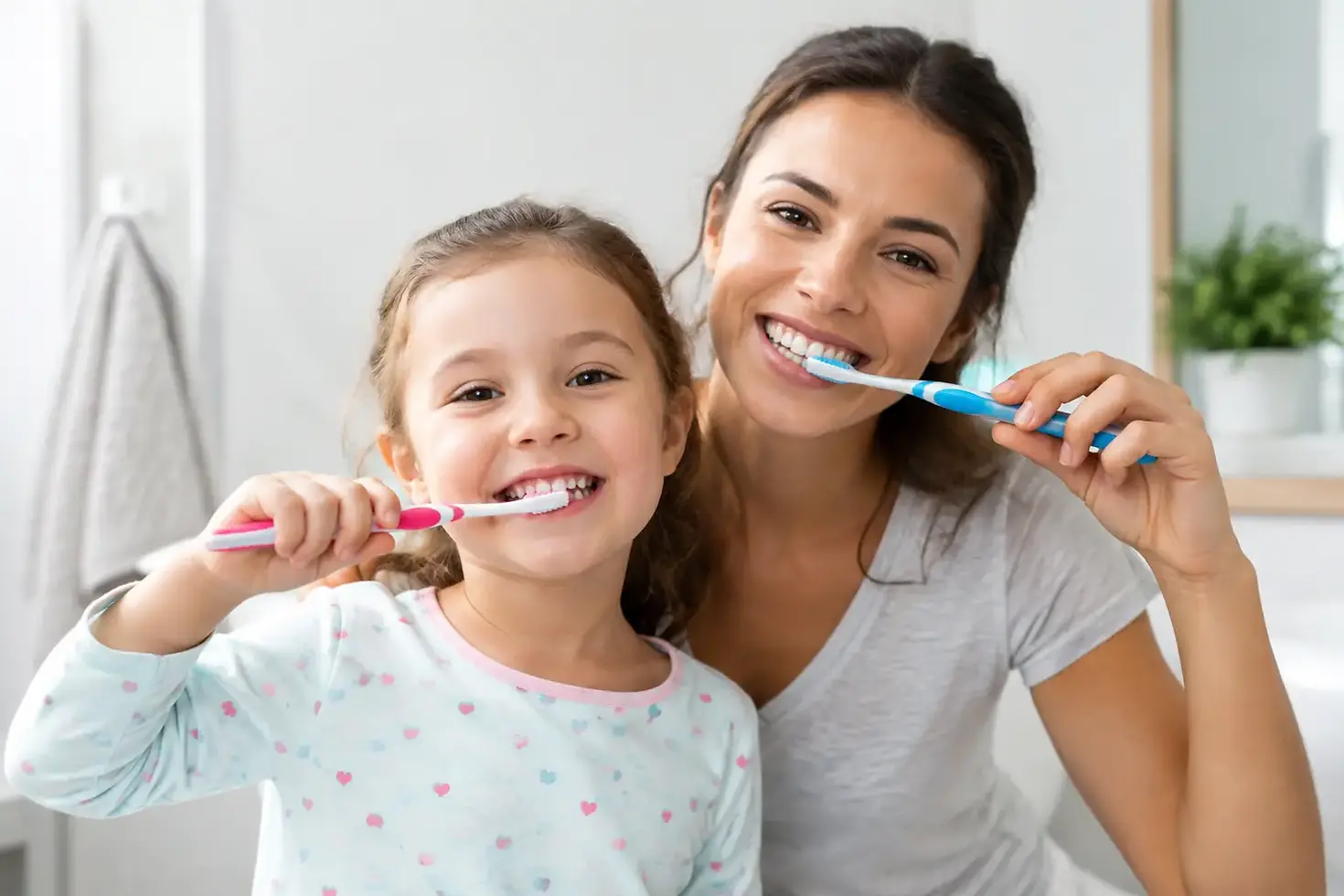
Baby teeth matter. They help children chew comfortably, speak clearly, and hold space for permanent teeth as the jaw grows. Once the first tooth comes in, gently clean it twice daily with a small, soft toothbrush.
For children under 3, use a rice-sized smear of fluoride toothpaste. From age 3 onward, a pea-sized amount is generally appropriate, as long as your child can spit it out rather than swallow it. Parents should do the brushing, or closely supervise it, until a child has the coordination to clean thoroughly on their own. For many children, that is closer to age 7 or 8 than parents expect.
2. Make bedtime brushing non-negotiable
The brush before bed is especially valuable because saliva flow decreases during sleep. Saliva naturally helps rinse away food particles and neutralize acids, so a mouth that stays coated in sugar overnight has less protection.
Aim for two full minutes of brushing. A timer, a favorite song, or taking turns can make the routine less of a battle. After brushing, water is the best choice if your child is thirsty. Milk, juice, sports drinks, and sweetened beverages can leave sugars on teeth through the night.
3. Floss when teeth touch
Brushing cleans the front, back, and chewing surfaces of teeth, but it cannot reliably clean tight spaces between them. When your child’s teeth touch, flossing once a day helps remove plaque where cavities often begin.
This is a common place for parents to underestimate risk, especially when teeth look clean from the outside. Floss picks can be easier for little hands and busy evenings, although an adult should usually handle the task at first. A few calm minutes of help now can prevent a difficult-to-see cavity later.
4. Watch how often sugar shows up
Sugar is not only about desserts. Crackers, fruit snacks, sweet cereals, granola bars, flavored yogurt, and gummy vitamins can all cling to teeth. Oral bacteria use those sugars to produce acids that weaken enamel.
Frequency matters as much as quantity. Having a treat with a meal is generally kinder to teeth than grazing on sweet snacks throughout the afternoon. Encourage water between meals, and reserve juice for occasional use with food instead of sipping it over long periods. Whole fruit is usually a better everyday choice than juice because it is less concentrated and contains fiber.
5. Choose tooth-friendly snacks
Parents do not need a perfect pantry to support a healthy smile. The goal is to balance convenience with foods that do not stay stuck to teeth for hours. Cheese, plain yogurt, vegetables, fresh fruit, eggs, and nuts for children old enough to eat them safely are useful options.
Sticky foods deserve extra attention. Raisins and dried fruit can be nutritious, but they cling to grooves and between teeth. If they are part of a snack, follow them with water and include them at mealtime when possible. The same practical approach applies to birthday parties and holidays: enjoy the occasion, then return to regular brushing and meal routines.
6. Ask about fluoride protection
Fluoride strengthens enamel and can help early weak spots resist decay. Many families receive fluoride through toothpaste and community water, but individual needs vary. A child with previous cavities, deep grooves in molars, dry mouth, or frequent snacking may benefit from additional protection recommended by their dentist.
At regular visits, the dental team can assess cavity risk and talk with you about fluoride treatments or dental sealants. Sealants are thin protective coatings placed on the chewing surfaces of back teeth, where toothbrush bristles may not reach every deep groove. They are quick to apply and can be particularly helpful as permanent molars come in.
7. Keep regular dental visits from becoming a big event
Routine visits give children time to become comfortable in the dental chair when nothing hurts. They also allow the dentist to spot changes early, before treatment becomes more complicated. Digital X-rays, when clinically appropriate, can reveal concerns between teeth or below the surface that cannot be seen during a visual exam.
The right schedule depends on your child’s age, dental history, and risk level. Many children benefit from checkups and cleanings every six months, while some need closer monitoring. A friendly, kid-focused visit also helps children build confidence in caring for their own smiles as they grow.
8. Protect teeth during sports and active play
Falls, collisions, and stray balls can happen quickly. A properly fitted athletic mouthguard helps protect teeth, lips, cheeks, and jaws during contact sports such as hockey, football, lacrosse, and martial arts. It can also be a sensible choice for activities with a meaningful fall risk, including skateboarding and biking.
Store-bought mouthguards offer some protection, but a custom option is designed for a more secure and comfortable fit. Children are more likely to wear a guard that fits well and allows them to breathe and speak more easily. Replace it as your child grows or if it becomes torn or misshapen.
9. Do not ignore grinding, snoring, or mouth breathing
Some children grind their teeth occasionally, particularly while sleeping. It is not always harmful, but frequent grinding, worn teeth, jaw discomfort, headaches, or disrupted sleep should be discussed with a dentist. The same is true for ongoing mouth breathing or loud snoring.
These signs do not automatically mean there is a serious problem, and the cause can vary. Still, raising them at a checkup gives the dental team a fuller picture of your child’s oral health, bite development, and comfort. Early attention is often simpler than waiting until symptoms become disruptive.
10. Know what to do after a dental injury
If a permanent tooth is knocked out, time matters. Handle the tooth by the crown, not the root, and gently rinse it with water if it is dirty. If possible, place it back in the socket. If that is not possible, keep it moist in milk or saliva and seek urgent dental care right away.
Do not try to reinsert a baby tooth, since doing so could affect the developing permanent tooth underneath. For a chipped tooth, toothache, swelling, or injury to the mouth, contact a dental office promptly for guidance. Quick care can reduce discomfort and may improve the chances of saving a damaged tooth.
Help Children Feel Good About Dental Care
The language adults use can shape a child’s expectations. Instead of saying a visit will not hurt, keep it simple and positive: the dentist is going to count teeth, clean them, and make sure the smile is growing well. Avoid sharing your own dental anxieties in front of your child when possible.
At Garden City Dental, Dr. Rocco Di Paola, Dr. Kevin Woon-fat, and the team welcome children and families with a calm, approachable experience backed by modern care. Whether your child is due for a routine checkup, needs help after an injury, or has a tooth that is causing discomfort, early support can make the next step feel manageable.
A healthy smile is built in ordinary moments: the water bottle packed for school, the parent who checks the bedtime brush, the mouthguard placed in a sports bag, and the checkup kept before a problem starts. Those small choices give children a strong foundation for years of confident smiles.